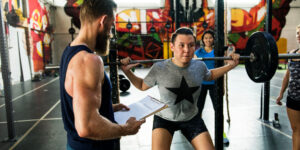

Becoming a hybrid athlete means mastering the art of balancing both endurance and strength sports. Whether you’re looking to run marathons while maintaining muscle or lift heavy while improving your stamina, this guide will help you start your journey toward becoming a versatile and well-rounded athlete.

Understand the Hybrid Athlete Concept
Hybrid athletes combine both endurance and strength training. It’s crucial to comprehend how these elements complement each other to create a well-balanced training regime. For instance, engaging in both activities helps build not just overall strength, but also cardiovascular endurance, encouraging long-term health benefits. In recent years, hybrid athletics has shifted from a trend to a lifestyle, with many athletes, such as Alex Viada, demonstrating that even at top levels, endurance and strength training can coexist harmoniously. Through careful program design and balanced training plans, athletes can enjoy significant improvements in physical performance without compromising one skill set over the other.
Imagine this: One moment, you’re lifting heavy weights, the next, you’re running a marathon. This dual capacity is the embodiment of a hybrid athlete. An example provided by Tia-Clair Toomey, a CrossFit Games winner and Olympian, shows how hybrid training involves functional movements that help maintain fitness across disciplines. It’s about pushing boundaries, embodying versatility, and thriving across multiple athletic domains, as highlighted by unleashing the hybrid athlete.
Hybrid athletics encourages breaking away from focusing solely on one discipline, allowing athletes to build a more robust, balanced skill set. This approach has benefits for everyone, not just professional athletes. Coordination between strength and endurance activities results in improved agility, stamina, and mental fortitude. The diverse nature of hybrid training makes it accessible and adaptable to various fitness levels, regardless of your background. Whether you’re just starting or looking to diversify your fitness routine, adopting a hybrid training mindset can greatly enhance your overall health and physical capabilities.
Set Clear and Attainable Goals
Establish specific objectives for both strength and endurance metrics. This will guide your training schedule and allow you to monitor progress efficiently. Start by assessing your current fitness level—know your capabilities, strengths, and areas that need improvement. Once you have a solid understanding of where you are, set achievable milestones tailored to your goals. Whether you aim to deadlift twice your weight or run a sub-20-minute 5k, clear goals provide direction and help maintain motivation.
Your goals should balance between challenging yet realistic. Aiming for a marathon? Setting interim goals like completing a half-marathon first could progressively build your endurance while keeping stress levels manageable. Similarly, if your target involves lifting heavy, design your plan to gradually increase weight across your training cycle. Remember that hybrid training is inherently diverse. Therefore, make sure your goals reflect this diversity; they should encompass both strength and endurance milestones, preparing you to excel in various dimensions of fitness.
By having a clear vision of what you aspire to achieve, you lay the foundation for a structured training journey. Keep your ambition in check—it’s important not to push for too much too quickly, which could lead to burnout or injury. Regularly revisit, reassess, and possibly reevaluate your goals to adapt to changing fitness levels and desires. This keeps the journey dynamic and ensures you’re always moving forward, ready for any challenge that comes your way. Sticking to this principle enhances not only physical fitness but also builds resilience, essential in becoming a seasoned hybrid athlete.
Design a Balanced Training Plan
Create a training schedule that incorporates both strength and endurance workouts. Ensure there is a logical progression and balance to avoid overtraining or injury. Hybrid training plans blend diverse workout methodologies to maximize results. A typical week might include weightlifting, running, and dynamic stretching, ensuring you target all essential areas without neglecting specific needs. Key factors to consider include the intensity, duration, and frequency of workouts, making sure they align with your established goals.
Prioritizing balance is crucial. You need to strike the optimal mix to prevent fatigue and plateaus. Avoid overworking any single muscle group by alternating between upper and lower body exercises, or between different cardiovascular and strength sessions. Incorporate functional movements that not only improve strength and endurance but also enhance stability, flexibility, and overall athleticism. For inspiration, you might explore training programs that offer comprehensive tracks aligning with these principles, such as those outlined by Daniel Garcia’s Programs.
Recovery days are just as important as active days. Schedule rest and active recovery to allow your muscles to repair and grow. Embrace active recovery options like low-impact activities—swimming, yoga, or easy cycling—to keep movements fluid without overloading your body. These measures ensure your fitness path remains sustainable and continuous, minimizing the risk of burnout while keeping momentum strong. Additionally, tracking your progress helps pinpoint areas needing adjustment, allowing you to tweak routines for better outcomes.
Focus on Nutrition and Recovery
Nutrition is essential for performance and recovery. Fuel your body with a balanced diet that caters to the demands of both endurance and strength training. As a hybrid athlete, your nutritional strategy should focus on fueling diverse workouts and supporting recovery processes. Consume a mix of macronutrients: proteins for muscle repair, carbohydrates for energy replenishment, and healthy fats for overall well-being.
Timely meal planning can optimize your workout performance. For instance, consuming complex carbohydrates coupled with proteins prior to exercise sustains energy levels. Post-workout, aim for a combination of protein and carbohydrates to kickstart the muscle recovery process. Supplements, such as protein shakes or BCAAs, can aid nutritional intake, though priority should remain on whole, nutrient-dense foods.
Recovery is multifaceted, encompassing rest, hydration, and nutritional replenishment. Strategically incorporate rest days, prioritize sleep, and stay hydrated. This ensures your body has ample time and resources to rebuild itself stronger and more resilient after each session. As you hone your nutrition strategy, acknowledge that each body is unique—individualize your approach to suit your personal needs for optimal results.
Monitor and Adapt Your Training
Regularly assess your progress and adjust your training plan as needed. Adaptability is key to staying on track and reaching your hybrid athlete goals. Embrace new insights and be responsive to the signals your body gives you. Often, minor tweaks—be it in intensity, frequency, or exercise type—can bring significant improvements.
Technology can be a helpful tool here. Use wearable devices and apps to track performance indicators like heart rate, sleep patterns, and workout impact, providing valuable insights for fine-tuning your routine. These tools offer data-driven analytics that inform when to push harder or when to scale back, ensuring safe and efficient progression toward your fitness objectives.
Remember, the journey toward becoming a hybrid athlete is dynamic, not linear. Celebrate small victories, reflect on challenges, and remain flexible in your approach. This ongoing process of adaptation not only refines your training regimen but enriches your overall experience in pursuing a healthy, balanced lifestyle. By tapping into resources, such as Daniel Garcia’s comprehensive programs, you pave the way to unleash your ultimate potential.
Achieving Balance as a Hybrid Athlete
Embracing the hybrid athlete lifestyle is about adaptability and balance. By setting clear goals, training smart, fueling your body properly, and giving yourself time to recover, you can excel in both strength and endurance sports. Remember, consistency is key, and with dedication, you’ll soon find yourself becoming the hybrid athlete you aspire to be.