
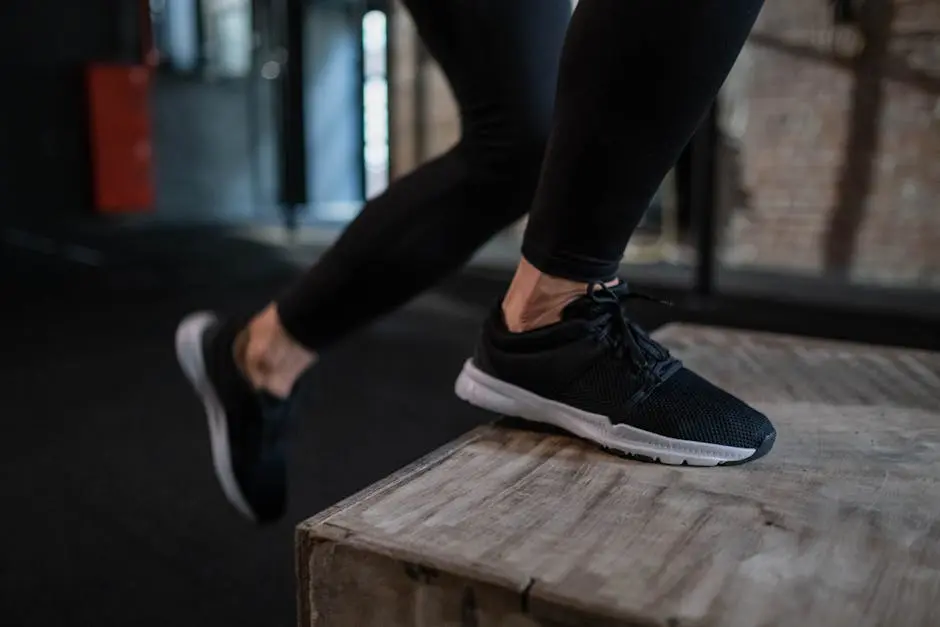
In recent years, the world of athletic training has been evolving. A new breed of athletes is emerging, redefining the boundaries of fitness and competition. These athletes, known as hybrid athletes, are blurring the lines between strength, endurance, and technique, achieving remarkable feats across multiple disciplines. But what does it mean to be a hybrid athlete, and how is this trend shaping the future of personal training?

What is a Hybrid Athlete?
A hybrid athlete is someone who excels in multiple athletic domains, blending practices from different fields to enhance their overall performance. This approach goes beyond specializing in just one sport or training modality, encouraging athletes to develop strength, endurance, agility, and flexibility simultaneously. Hybrid athlete training specifically focuses on combining strength and endurance, allowing individuals to perform impressively in various scenarios including long-distance running while maintaining the ability to lift significant weights.
The emergence of hybrid athletes represents a shift in how fitness and competition are perceived. Unlike traditional athletes who often dedicate themselves to mastering just one sport, hybrid athletes are challenging this notion by excelling across multiple disciplines. The ability to maintain the explosiveness of a sprinter, the stamina of a marathoner, and the power of a weightlifter all at once symbolizes the epitome of athletic versatility.
In embracing the hybrid model, athletes can find a rare balance between capabilities that were once considered to be at odds with one another, like power and endurance. This balance allows them to prepare for a wide array of events, from triathlons to CrossFit challenges, illustrating an evolved form of athletic readiness and all-around physical capability.
The Benefits of Hybrid Training
Hybrid training offers numerous benefits, including improved overall fitness, reduced risk of injury, and greater adaptability to different types of physical challenges. Engaging in a variety of exercises helps individuals build a more balanced physique and enhances their ability to perform well in different scenarios. For many athletes, this comprehensive approach leads to enhanced muscle synergy and energy efficiency.
A significant benefit of hybrid training is its ability to minimize the ‘interference effect’, which occurs when training for multiple disciplines compromises performance in one. By employing smart programming and allowing for flexible recovery periods, hybrid athletes can bypass these traditional limitations. This enables them to achieve muscle growth and cardiovascular improvements without the conflict usually anticipated when training leaning heavily toward either endurance or strength.
Incorporating Hybrid Techniques into Personal Training
Personal trainers are increasingly integrating hybrid techniques into their programs to provide clients with comprehensive fitness solutions. By combining elements of strength training, cardiovascular exercises, and mobility work, trainers can design workouts that cater to both the specific goals and overall development of their clients.
For those ready to embrace an integrative fitness approach, programs tailored by experts like Daniel Garcia can offer a structured pathway to achieving such versatile fitness goals. These programs usually consist of varied workout routines that prevent monotony and target diverse muscle groups and energy systems.
Moreover, hybrid training techniques improve mental resilience. The unpredictability and range in hybrid workouts encourage athletes to develop mental toughness, an often-overlooked but crucial component of fitness which helps in maintaining consistency and motivation over the long-term.
Examples of Successful Hybrid Athletes
There are many athletes today who embody the principles of hybrid training, achieving remarkable success across a range of sports. From triathletes competing in ironman races to powerlifters who also master marathon running, these individuals showcase the versatility and resilience that hybrid training can yield.
Hybrid athletes like Rich Froning and Samantha Briggs, well-known within the CrossFit community, are prime examples of this athletic experience. They regularly incorporate heavy Olympic lifts along with cardio-intensive workouts, achieving an awe-inspiring level of fitness that offers lessons and inspiration for all kinds of athletes.
The Future of Personal Training: Holistic Approaches
As the concept of hybrid athletics gains traction, personal training is expected to shift towards more holistic approaches. This means designing programs that not only improve physical performance but also consider mental and emotional well-being for more sustainable, long-term success in fitness.
This direction can be observed in fitness programs where the mind-body connection is valued just as highly as physical achievements. More than ever, personal trainers are viewing clients as whole individuals, acknowledging the impactful roles that mental clarity and emotional stability play in realizing fitness objectives.
Explore the expansive opportunities in personal training available today to become more adaptable and well-rounded as a hybrid athlete. This rising focus on a well-rounded, holistic style of training is transforming the landscape of athleticism, promising a future where each individual has the opportunity to thrive in their preferred way.
Embracing the Future of Training
Hybrid athletes are redefining what it means to train effectively, combining skills from various disciplines to become more versatile and resilient. As personal training continues to evolve, embracing a more holistic and integrated approach, both trainers and athletes stand to benefit. This new era in personal training promises to not only unlock new potential in athletic performance but also inspire a healthier, balanced lifestyle.